BMC Elections
- Past BMC Election Results
- Know your Booth Location
- Standing Committee Members
- BMC Elections 2017 Delimitation
- New Ward List Civic Elections 2025
- New Wards Maps for BMC Elections 2025
- BMC Election 2025 Date
- CEO Maharashtra
- Know Your BMC
- BMC News & Updates
- Wards
- Candidates
- Mumbai Corporators
- Advertise
- Contact
- Volunteer
- Privacy Policy
BMC Elections 2022: New wards and boundaries cause logistical issues
- by Webdesk
- 27 Jan 2022
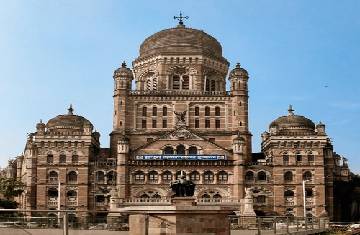
After the state government's approval to expand the number of electoral wards in Mumbai from 227 to 236, the BMC has completed ward demarcation and the establishment of new ones. Three new wards will be developed in three separate zones, according to the local body's plan: western suburbs, eastern suburbs, and the island city.
The elections, which were supposed to take place in February, are now expected to take place in March, according to civic officials. According to them, the ward boundaries have been modified and delineated to accommodate the rising population. In the meantime, political parties have begun to modify their polling techniques in light of the new boundaries.
According to a civic official who spoke on the condition of anonymity, the boundaries of about 60 electoral wards have changed, accounting for nearly a quarter of the total. The BMC will now forward the list to the State Election Commission (SEC). According to another official, the SEC will subsequently review the proposal and welcome comments and objections from the public and other stakeholders.
"As per protocol, we will subsequently hold a lottery to fix the reservation of these wards – for women candidates as well as caste-based reservations," the source said. Meanwhile, the present corporators' five-year tenure will end on March 7. As a result, we must either wait for election dates to be announced or postpone the appointment of an administrator until after the elections."
The SEC directed municipal corporations to begin delineating ward boundaries in August 2021. Following this, on October 26, the BMC submitted a final draught of corrected electoral ward borders. The BJP had objected and rejected the measure, arguing that it was intended to benefit the ruling Shiv Sena. The BMC, on the other hand attributed it to a desire to equalize voter demographics between wards.
The 2011 census was used to redraw the electoral wards, which took into account a population increase in the suburbs and a drop in the island city. A total of 54,000 people lived in each ward. BJP leaders, on the other hand, claim that the most recent Census data is unavailable.
The plan to expand the number of BMC electoral wards was finally accepted by the state cabinet in November 2021. The Mumbai Municipal Corporation Act, 1888, was amended to this effect by the state urban development department, which changed the makeup of the civic body.
According to the current distribution of elected representatives in the civic body, the ruling Shiv Sena has 97 corporators, compared to 83 for the BJP, 29 for the Congress, eight for the NCP, six for the Samajwadi Party, two for the AIMIM, and one for the MNS.
Image Courtesy: BMC Elections 2022
Related News
This article is based on publicly available information from credible sources (as mentioned above) and has been restructured using a combination of AI tools and manual editorial inputs to enhance clarity and readability. While we aim to maintain accuracy, there may be unintentional errors or misinterpretations. If you come across any incorrect or misleading information, please report it to us at info@bmcelections.com.
Copyright © 2026 All Rights Reserved | BMC Election