BMC Elections
- Past BMC Election Results
- Know your Booth Location
- Standing Committee Members
- BMC Elections 2017 Delimitation
- New Ward List Civic Elections 2025
- New Wards Maps for BMC Elections 2025
- BMC Election 2025 Date
- CEO Maharashtra
- Know Your BMC
- BMC News & Updates
- Wards
- Candidates
- Mumbai Corporators
- Advertise
- Contact
- Volunteer
- Privacy Policy
In the unavailability of OBC quota, the Maharashtra Assembly unanimously approves a motion asking for the postponement of local body elections
- by Webdesk
- 27 Dec 2021
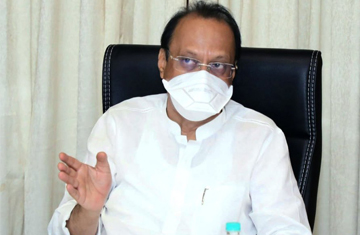
The Maharashtra Legislature overwhelmingly passed a resolution on Monday urging the State Election Commission (SEC) to cancel the state's upcoming local government elections because there are no reserved seats for the Other Backward Class (OBC) group. Ajit Pawar, the Deputy Chief Minister, moved the resolution in the state assembly, which was seconded by Devendra Fadnavis, the Leader of the Opposition. Following that, it was unanimously approved. Hasan Mushrif, the minister of rural development, introduced the bill in the state council, and it was overwhelmingly approved. After the Supreme Court scrapped the 27 percent political reservation for OBC in local bodies and then stayed the state government's ordinance proposing OBC reservation below the 50 percent quota ceiling, both the ruling and opposition were strongly in favour of postponing the ensuing local body elections in the absence of OBC seats. Following that, the Supreme Court ordered the SEC to de-reserve the OBC seats and hold the elections.
The state administration recently sought the SEC to postpone the local body elections on OBC seats in a letter. The SEC, on the other hand, has denied the state government's request, implying that the polls will be held despite the OBC seats being de-reserved. The SEC took this action to avoid being found in contempt of court. The SEC has already declared that elections to de-reserved OBC seats will be held on January 18 in 106 Nagar Panchayats, Bhandara-Gondia Zilla Parishads and Panchayat Samitis under its control. According to the SEC's election schedule, 23 of the 105 seats in the Bhandara-Gondia Zilla Parishad would be transformed to general constituencies from OBC seats.
Likewise, the state government allocated Rs 450 crore to the State Backward Classes Commission in its supplemental demands last week for the collection of OBC empirical data. The Centre has already declined to provide the empirical data that the state government has requested. The apex court stipulated that one of the prerequisites be the collection of empirical data from OBCs. The top court pointed to the triple criterion mentioned in the Constitution bench judgement of 2010, which included the establishment of a dedicated committee to conduct a contemporaneous rigorous empirical examination into the nature and effects of the state's backwardness.
Image Courtesy: @AjitPawarSpeaks
Image Courtesy:
Related News
This article is based on publicly available information from credible sources (as mentioned above) and has been restructured using a combination of AI tools and manual editorial inputs to enhance clarity and readability. While we aim to maintain accuracy, there may be unintentional errors or misinterpretations. If you come across any incorrect or misleading information, please report it to us at info@bmcelections.com.
Copyright © 2026 All Rights Reserved | BMC Election