BMC Elections
- Past BMC Election Results
- Know your Booth Location
- Standing Committee Members
- BMC Elections 2017 Delimitation
- New Ward List Civic Elections 2025
- New Wards Maps for BMC Elections 2025
- BMC Election 2025 Date
- CEO Maharashtra
- Know Your BMC
- BMC News & Updates
- Wards
- Candidates
- Mumbai Corporators
- Advertise
- Contact
- Volunteer
- Privacy Policy
"BJP Sets the Pace, Thackeray’s Influence Still Strong – Mumbai Prepares for a Crucial BMC 2025 Battle"
- by Webdesk
- 07 Jun 2025
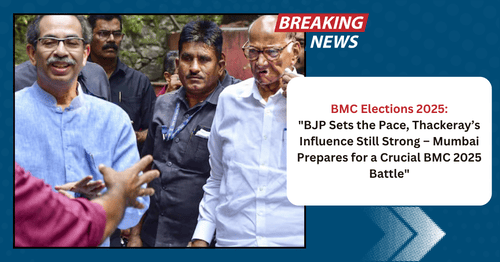
Source: CNBC TV 18
As Mumbai prepares for the high-stakes Brihanmumbai Municipal Corporation (BMC) elections, the city’s political climate is becoming more visible and intense. According to the latest Vote Vibe survey, the Bharatiya Janata Party (BJP) continues to hold a lead in the race. However, the Shiv Sena (Uddhav Balasaheb Thackeray) faction remains a significant contender, riding on its emotional appeal, historical connect, and growing dissatisfaction among citizens with the current civic setup.
The survey indicates a clear sense of public frustration — largely due to the prolonged gap without elected corporators and the perceived inefficiency of government-appointed administrators managing the BMC for over two years. Many residents feel ignored, unheard, and let down by the administration.
“There’s no one to approach when something goes wrong,” said Rukmini Sharma, a teacher from Kurla. “The roads are in bad shape, drains are blocked, and nobody takes responsibility. We miss the time when we could talk to our corporators directly.”
The BJP is leveraging its strong organisational base, backed by alignment between the state and central governments, and is promoting its “development-first” narrative. However, the Vote Vibe poll suggests the electoral battle is far from one-sided. Despite structural challenges after the party split, the Shiv Sena (UBT) continues to find support — especially in Marathi-dominated localities, where the legacy of Balasaheb Thackeray still strikes an emotional chord.
One of the key takeaways from the survey is the emotional value attached to the Thackeray name. Uddhav Thackeray’s public outreach and Aaditya Thackeray’s local engagement have helped their faction stay relevant. “This city belongs to Balasaheb. His family still represents our voice,” said Vinay Pawar, a resident from Dadar.
The idea of Uddhav and Raj Thackeray joining forces — though so far only seen in public statements — has drawn notable public interest. Supporters believe a unified Thackeray front could reinvigorate the Shiv Sena and restore its influence in Mumbai’s political space. In areas like Goregaon and Girgaon, posters and banners have appeared urging the two leaders to unite for the sake of the Marathi Manoos. Even the Shiv Sena (UBT) mouthpiece Samana recently featured an old photo of the cousins together, quoting Uddhav: “What lies in the heart of the Marathi people, will surely come to pass.”
Meanwhile, the BJP’s alliance with the Eknath Shinde-led Shiv Sena faction may face challenges due to the growing emotional tilt toward the original Thackeray leadership. Although Shinde’s group holds official recognition, the survey reveals a gap in perceived legitimacy among voters.
This dissatisfaction cuts across party lines and points to a broader public sentiment. The absence of accountable representatives, unfulfilled civic needs, and deteriorating urban infrastructure have fueled demands for change. In this environment, the party that can offer both delivery and emotional connection is likely to find favour with the electorate.
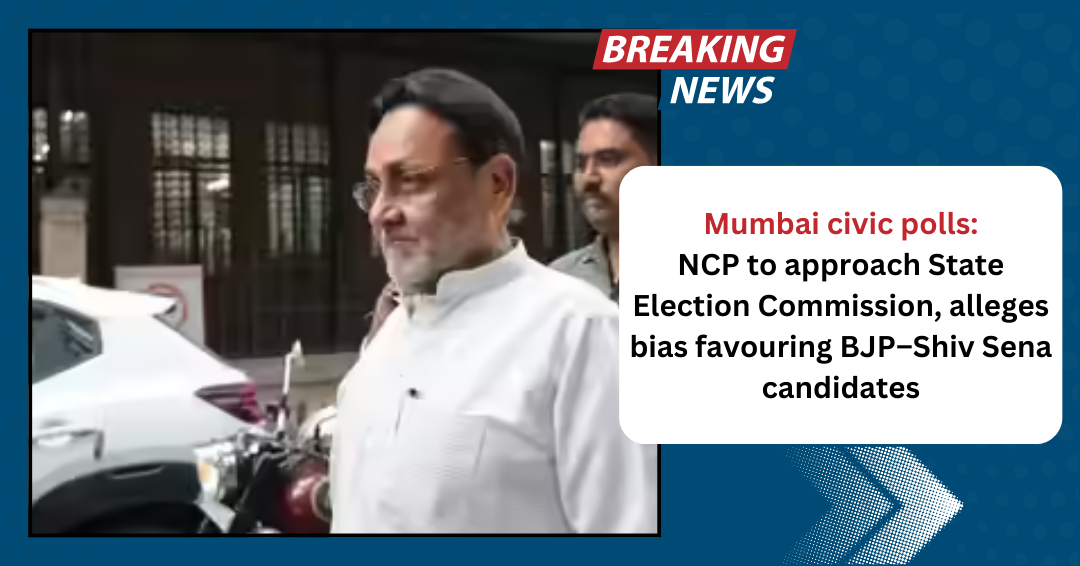
For parties like the Congress and NCP (Sharad Pawar), the challenge remains to stay visible. Though their presence in the current narrative is subdued, their decisions regarding alliances and focused campaigning could still shape outcomes in close contests across various wards.
As campaign momentum builds, the Vote Vibe survey suggests that Mumbaikars are not only seeking development, but also dignity, accountability, and cultural identity. Whether the BJP can turn its lead into concrete votes or the Thackerays can transform emotional appeal into political power is yet to be seen. But one thing is certain — the 2025 BMC elections will be a turning point in Mumbai’s political journey.
Image Courtesy:
Related News
This article is based on publicly available information from credible sources (as mentioned above) and has been restructured using a combination of AI tools and manual editorial inputs to enhance clarity and readability. While we aim to maintain accuracy, there may be unintentional errors or misinterpretations. If you come across any incorrect or misleading information, please report it to us at info@bmcelections.com.
Copyright © 2026 All Rights Reserved | BMC Election